
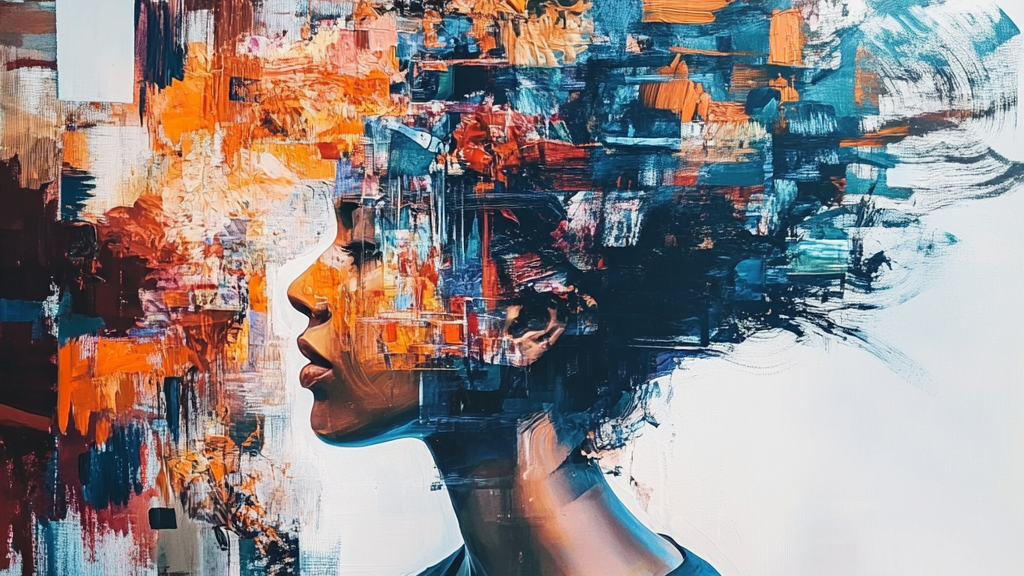
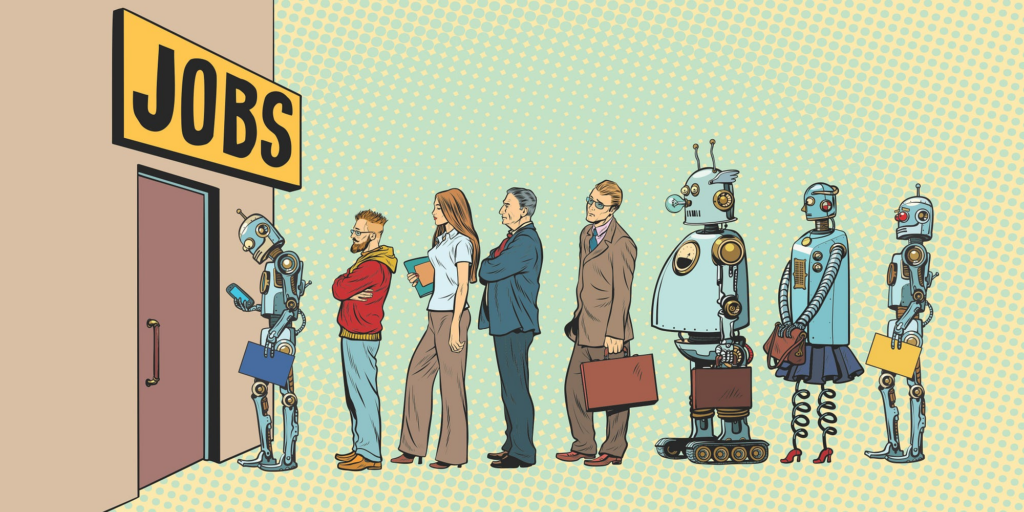
AI Will Replace All Human Jobs
Many people believe that Artificial Intelligence will take over all human jobs in the future. This fear mainly comes from seeing machines and software automate tasks that were once done by people.
The fact is: AI replaces tasks, not entire jobs. It is mainly used to handle repetitive, time-consuming, and data-based work. Jobs that require creativity, emotional understanding, communication, and decision-making still need humans.
In reality, AI is also creating new job opportunities in fields like technology, data analysis, AI management, and digital services. Instead of removing humans from work, AI helps people work faster, smarter, and more efficiently.
So, rather than replacing all human jobs, AI is changing how jobs are done—and humans remain an essential part of the workforce.
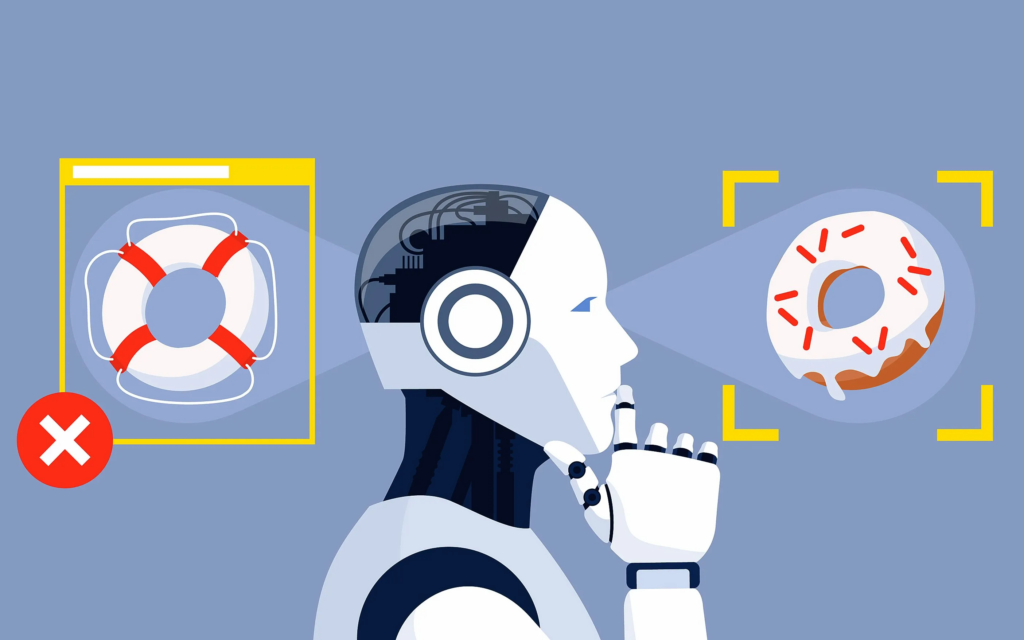
AI Thinks Like Humans
Many people believe that Artificial Intelligence thinks and understands the world just like humans do. This is a common misunderstanding.
The fact is: AI does not think, feel, or understand like humans. It works by analyzing data, following algorithms, and identifying patterns. AI has no emotions, awareness, or common sense.
Humans think using emotions, experiences, creativity, and values. AI only does what it is trained to do and cannot go beyond its data. So while AI can act “smart,” its thinking is very different from human intelligence.
AI Is Always 100% Accurate
Many people assume that Artificial Intelligence always gives perfect and error free results. This belief comes from seeing AI work fast and handle large amounts of data.
The fact is: AI is not always accurate. Its results depend heavily on the quality of data it is trained on. If the data is incomplete, outdated, or biased, AI can also make mistakes.
AI systems need regular monitoring and human supervision to stay reliable. This is why human judgment is still important when using AI, especially in critical areas like healthcare, finance, and decision-making.
AI Is Only for Big Tech Companies
Many people think that Artificial Intelligence is used only by large tech companies with big budgets and advanced teams.
The fact is: AI is no longer limited to big tech companies. Today, AI tools are easily available to students, bloggers, freelancers, small businesses, and creators.
From content writing and image generation to customer support and data analysis, affordable AI tools help people save time and work more efficiently. AI has become accessible to everyone, not just large corporations.
AI Can Work Without Human Control
Some people believe that Artificial Intelligence can operate completely on its own without any human involvement.
The fact is: AI systems are created, trained, and monitored by humans. They depend on human-provided data, rules, and guidance to function properly.
Without human control, AI cannot learn correctly or make ethical decisions. Humans are always needed to supervise AI, fix errors, and ensure it is used responsibly and safely.
AI Is Too Complicated to Understand
Many people think Artificial Intelligence is only for scientists or tech experts and is too difficult for normal people to understand.
The fact is: Basic AI concepts are simple and easy to understand. Anyone can learn how AI works at a basic level without deep technical knowledge.
Today, many AI tools are designed to be user-friendly. You don’t need to know coding to use AI for writing, learning, designing, or daily tasks. With simple explanations and practice, AI becomes easy for everyone.
AI Is Dangerous by Default
Some people believe that Artificial Intelligence is harmful or dangerous by nature and could cause serious problems on its own.
The fact is: AI is not dangerous by default. It is a tool created by humans, and its impact depends on how it is designed and used.
When used responsibly with proper rules, ethics, and human supervision, AI is safe and beneficial. Problems arise only when AI is misused or poorly controlled, which is why human responsibility is always important.
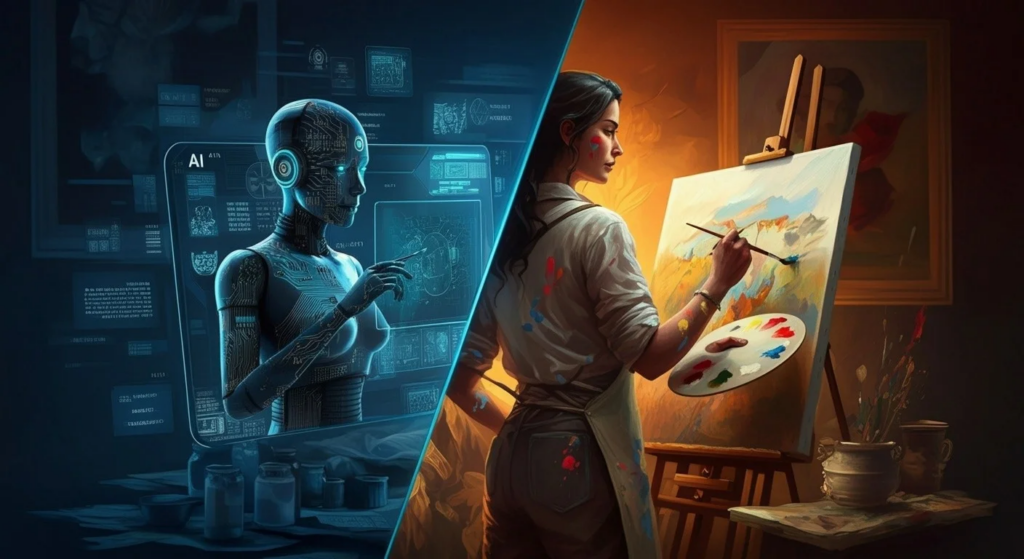
AI Will Replace Human Creativity
Many people worry that Artificial Intelligence will take over creative fields like writing, art, music, and design.
The fact is: AI cannot replace human creativity. It can only assist and support it. AI creates content by learning from existing data, while humans imagine, innovate, and create original ideas.
AI tools help speed up creative work, but the vision, emotion, and originality always come from humans. Creativity remains a uniquely human strength.
AI Learns on Its Own Like Humans
Many people believe that Artificial Intelligence learns naturally on its own, just like humans do.
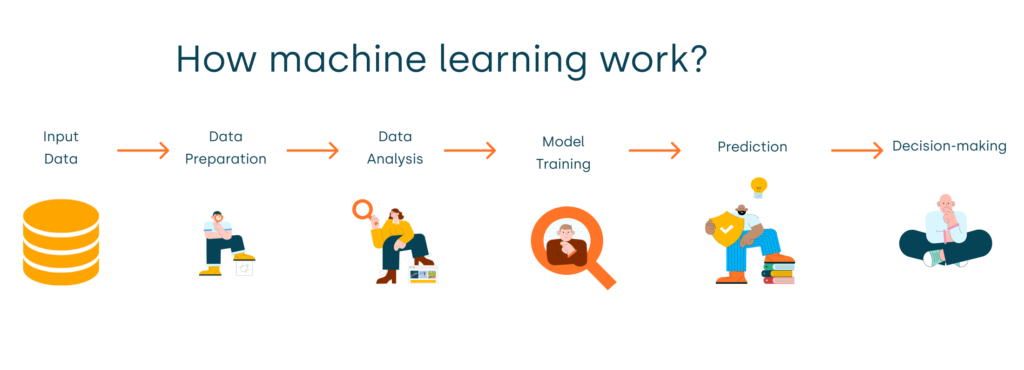
The fact is: AI does not learn like humans. It needs large amounts of data, clear instructions, and human guidance to learn.
Humans learn from experiences, emotions, and daily interactions. AI learns only through training, feedback, and updates provided by humans. Without human input, AI cannot improve or understand new situations on its own.
AI Is the Future Only
Many people think that Artificial Intelligence is something that will matter only in the future and is not relevant today.
The fact is: AI is already part of our daily lives. From search engines and social media recommendations to voice assistants, maps, and spam filters, AI is working around us every day.
AI is not just a future technology—it is a present reality that continues to grow and improve, making everyday tasks easier and more efficient.
Conclusion
Artificial Intelligence is often misunderstood because of common myths and assumptions. While AI is powerful and useful, it is not magical, dangerous by default, or capable of replacing humans completely.
The truth is, AI works best when guided by humans. It supports creativity, improves productivity, and helps solve problems—but it still depends on human values, ethics, and decisions.
By understanding the real facts about AI, we can use it wisely, confidently, and responsibly in our daily lives and future careers.
Next blog: AI vs Human Intelligence Explained Simply
Pingback: Future of AI in Daily Life - Logic Layers